AGP Executive Report
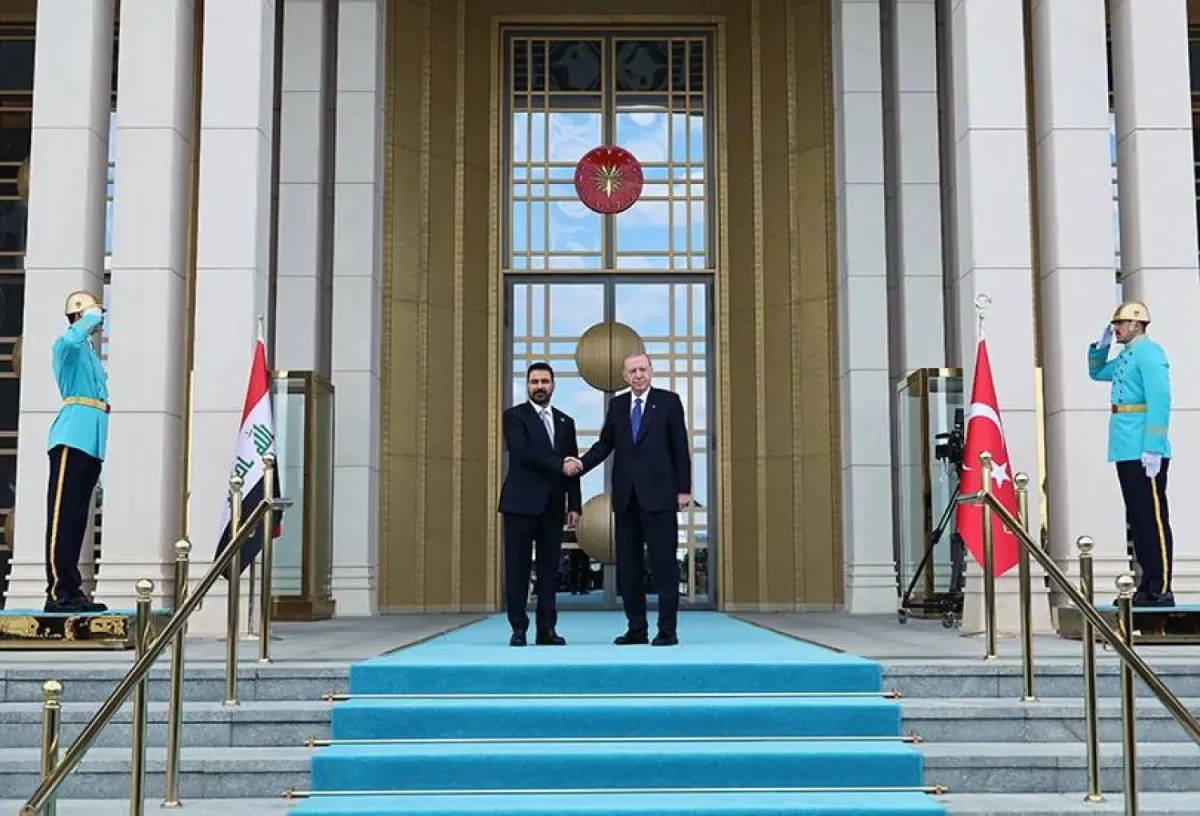
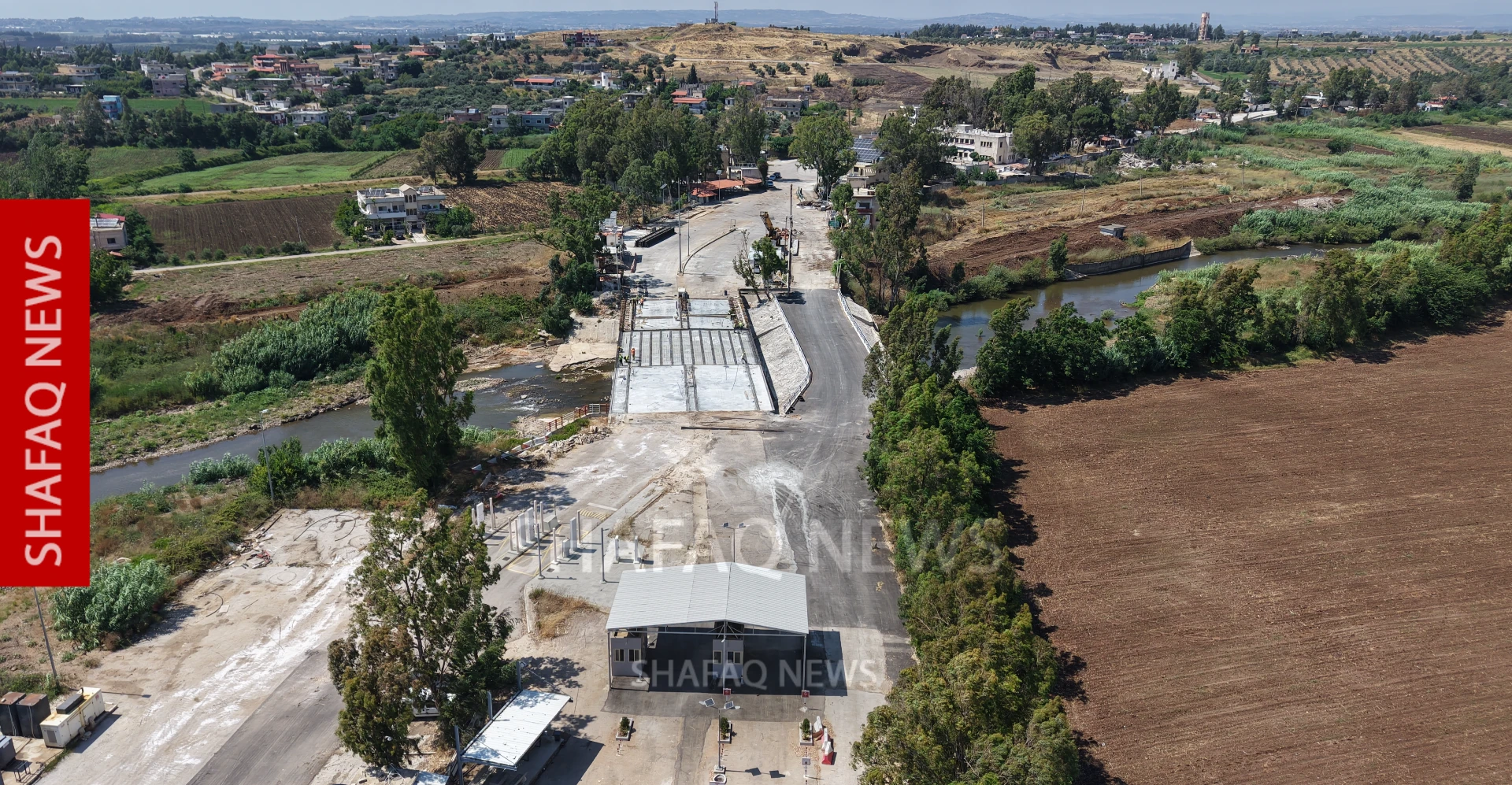
Last update: 7 hours agoBorder & Trade: Syria’s General Authority for Land and Sea Border Crossings and Ports says the Al-Dabousiyah crossing with Lebanon will reopen in September after rehabilitation and modernization, including upgrades to passenger halls, service facilities, internal roads and the border bridge. Energy Corridors: Iraq’s PM Ali Al-Zaidi met Turkey’s Erdogan in Ankara to deepen security and energy ties, with plans to extend oil export routes via a Basra–Haditha–Ceyhan line and a link to Syria’s Baniyas port, aiming to reduce exposure to regional disruptions. Regional Infrastructure Deals: Türkiye and Iraq signed five cooperation agreements covering transport (rail/road via Ovakoy-Fishkhabur), infrastructure, education, youth sports, and industrial property, with the Development Road corridor highlighted as a Gulf-to-Europe trade channel. Industry & Investment: Syria’s Economy and Industry Minister Nidal al-Shaar met China’s ambassador to discuss expanding bilateral economic and industrial cooperation and investment opportunities, as Damascus seeks support for recovery projects. Logistics Risk Watch: Ukraine stepped up environmental monitoring and security after the Golden Leo bulker sank near Odesa, checking for possible fuel leaks while keeping port traffic moving.
Note: AI summary from news headlines; neutral sources weighted more to help reduce bias in the result. Feedback is welcome. Please let us know if you have any comments or suggestions about the AGP Executive Report.
 Perspectify News